


GPS Tracking for Logistics Companies’ Vehicles- Benefits, Features & Costs
Every logistics business owner has had one of those days. A van’s gone quiet, nobody’s sure where it is, fuel spend looks off again this month, and a customer’s on the phone wanting answers about a delivery that should’ve landed an hour ago. It’s a familiar headache, and it’s exactly why fleet tracking has gone from “nice to have” to something most serious operators simply won’t run without anymore.
Here’s what it actually does, why it’s worth the investment, and what it tends to cost in practice.
Why It’s Gone Mainstream
Vehicle tracking used to be the sort of thing reserved for big national carriers with the budget to justify it. Smaller operators mostly went without. Fast forward a few years, and that’s flipped , units are cheaper, the software’s far more usable, and not having visibility into your own fleet now puts you a step behind competitors who do.
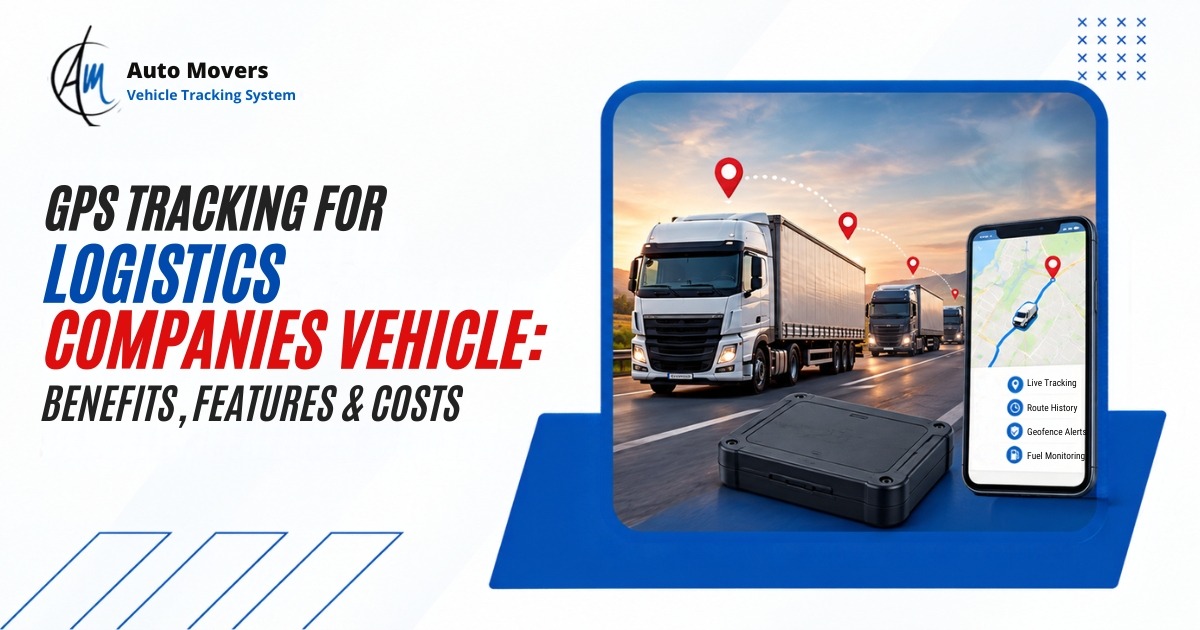
From a customer’s point of view, “it’ll get there this afternoon” just doesn’t cut it anymore. People expect a live tracking link, one that actually updates as the van moves. A solid GPS tracker for commercial vehicle fleets delivers exactly that, and it changes how every delivery conversation with a client goes , far less back-and-forth, far more certainty.
The Benefits That Actually Matter
Fuel is usually where the biggest wins hide. Once you can see idling time, harsh braking, and drivers taking longer routes than necessary, you can start correcting it ,and those savings tend to show up on the books within weeks, not months.
Driver behaviour shifts too, almost immediately. It’s not about catching people out; it’s simply that knowing a vehicle is tracked changes how it’s driven. Fewer harsh stops, less speeding, and insurers often reward that with better premiums.
Then there’s routing. Live traffic feeds combined with real vehicle positions mean a dispatcher can redirect a driver the moment something goes wrong on the road, rather than finding out after a delivery’s already late.
Security is another big one , commercial vehicles and their cargo are frequent targets, and a tracked vehicle stands a far better chance of being recovered if it’s stolen. Some insurers will even reduce your premium purely for having a system fitted.
On the maintenance side, good tracking flags engine issues and service intervals before they become a breakdown on the hard shoulder. And when a customer disputes a delivery , insisting it never arrived , a timestamped location record settles it in seconds, no arguing required.
Features That Separate the Good Systems from the Rest
Worth being selective here, since quality varies a lot between providers:
- Genuinely real-time positioning, not updates every 15–20 minutes
- Geofencing alerts when a vehicle leaves a set zone
- Driver scoring for braking, speed, and acceleration
- Fuel data linked to engine diagnostics
- Route history you can pull up and review
- Maintenance reminders tied to mileage or engine hours
- A mobile app dispatchers can actually use on the move
- Compatibility with whatever fleet software you already run
Ask for a live look at the dashboard before signing anything. If it’s confusing or slow, your team won’t use it properly , and a system nobody uses is a wasted subscription, however good the hardware is.
What You’re Likely to Pay
Hardware and subscription costs are typically separate.
Subscriptions tend to sit between vehicle ,depending on the feature set. Simple location tracking sits at the lower end; adding driver analytics, fuel reporting, and integrations pushes it towards the top.
For a fleet of around 20 vehicles, expect somewhere in the region month once it’s all running, plus the upfront hardware and fitting. It’s a real cost, no question , but set against fuel savings, lower insurance, fewer missed deliveries, and less time spent chasing drivers, most fleets see it pay for itself well before the year’s out.
Getting the Right Fit for Your Fleet
There’s no one-size-fits-all answer , it comes down to fleet size, budget, and the specific problem you’re trying to solve. A courier running five vans needs something quite different from a haulier running fifty artics.
Whatever the scale, the same principle applies: don’t choose on price alone. Ask for a proper demo, talk to other operators about their experience, and find out what support actually looks like at 2am on a bank holiday when something goes wrong.
Ultimately, fitting a GPS tracker for commercial vehicle operations isn’t just about knowing where a van is. It’s about running a leaner, more accountable, more profitable business , and most companies that make the switch end up wishing they’d done it sooner.