



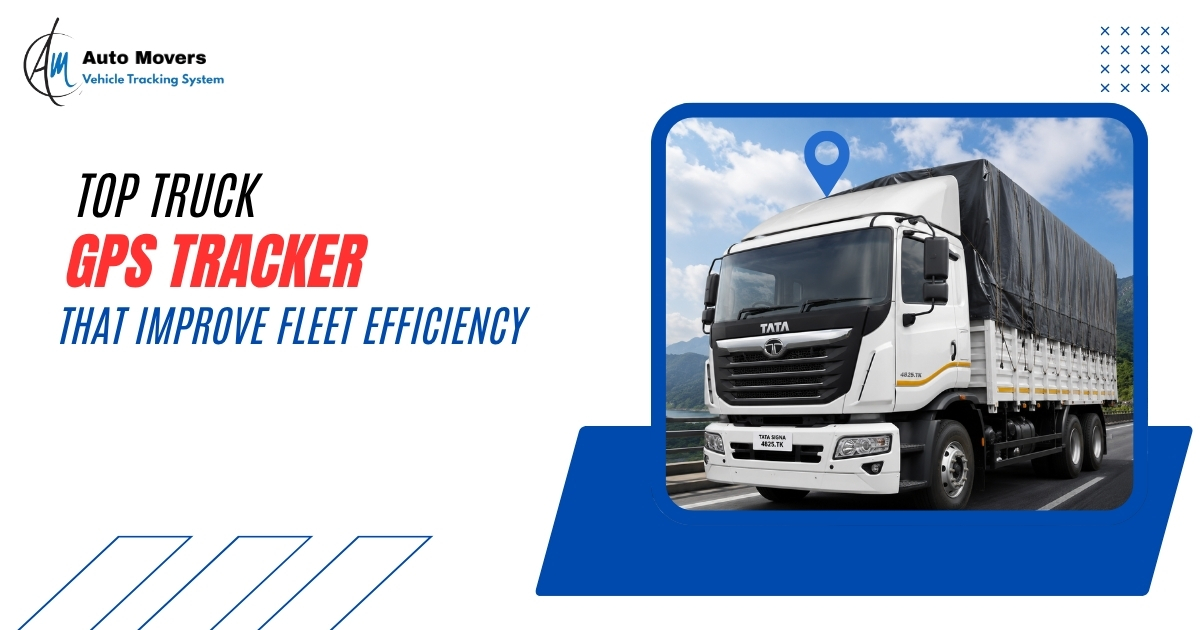
Top Truck GPS Tracker That Improve Fleet Efficiency
If you run a fleet — even a small one — you already know the feeling. A driver goes quiet, a delivery runs late, a customer calls asking where their shipment is, and you’re staring at a screen with no real answer. That gap between what you think is happening on the road and what’s actually happening?
That’s exactly what truck GPS tracking is designed to close.
And right now, more fleet operators are making the switch than ever before — not just the big logistics companies, but independent haulers, construction businesses, and last-mile delivery services that can’t afford to fly blind anymore.
It’s Not Just About Location Anymore
When most people hear “GPS tracking,” they picture a blinking dot on a map. That was the old version. Modern truck GPS systems do a lot more than show you where a vehicle is parked.
Today’s platforms give you live speed data, engine diagnostics, driver behavior scores, geofence alerts, fuel consumption reports, and even predictive maintenance warnings — all from a single dashboard. Some systems now integrate directly with dispatch and routing software, so your back-office team and your drivers are always working from the same playbook.
The shift from basic tracking to full fleet visibility has been massive, and businesses that made that leap early have a real operational edge.
The Fuel Cost Problem (And How GPS Helps)
Fuel is one of the biggest line items in any trucking budget, and it’s also one of the hardest to control — unless you have data. GPS tracking gives fleet managers a clear picture of where fuel is actually going.
Excessive idling, inefficient routes, and aggressive driving habits (hard braking, sharp acceleration) all burn through diesel faster than necessary. When you can see these patterns clearly and coach drivers based on real numbers rather than gut feeling, fuel savings add up fast. Many fleet owners report cutting fuel costs by 10–15% within the first few months of deploying a GPS system.
Driver Safety and Accountability
This is where conversations get a little more human. Nobody wants to feel like they’re being watched every second of the day, and that’s a fair concern. But when GPS data is framed around safety — and used to protect drivers rather than police them — the dynamic changes.
Speed alerts, harsh braking notifications, and fatigue monitoring aren’t just about keeping cargo safe. They’re about making sure your drivers get home. When drivers understand that the data works in their favor — supporting insurance claims, resolving false accusations, documenting their work hours accurately — most come around quickly.
What to Look for in a Truck GPS System
Not all platforms are built the same. Before you commit to anything, ask these questions:
1.Does it offer real-time updates, or is there a delay of several minutes?
2.How long is the contract? Month-to-month flexibility matters, especially for smaller fleets.
3.Is the hardware easy to install? Plug-and-play OBD devices are far less disruptive than hardwired units.
4.Does it integrate with your existing tools — dispatch software, payroll, or ELD compliance systems?
5.What does the mobile app look like? You’ll be using it on the go, so clunky interfaces are a dealbreaker.
Trucking has always been a tough business — tight margins, unpredictable conditions, and constant pressure to deliver faster with fewer mistakes. GPS tracking won’t solve every problem, but it gives you something invaluable: visibility. And in this industry, visibility is control.
If you’re still managing a fleet on phone calls and spreadsheets, the gap between you and your competition is widening. The good news? Closing it has never been more straightforward.