



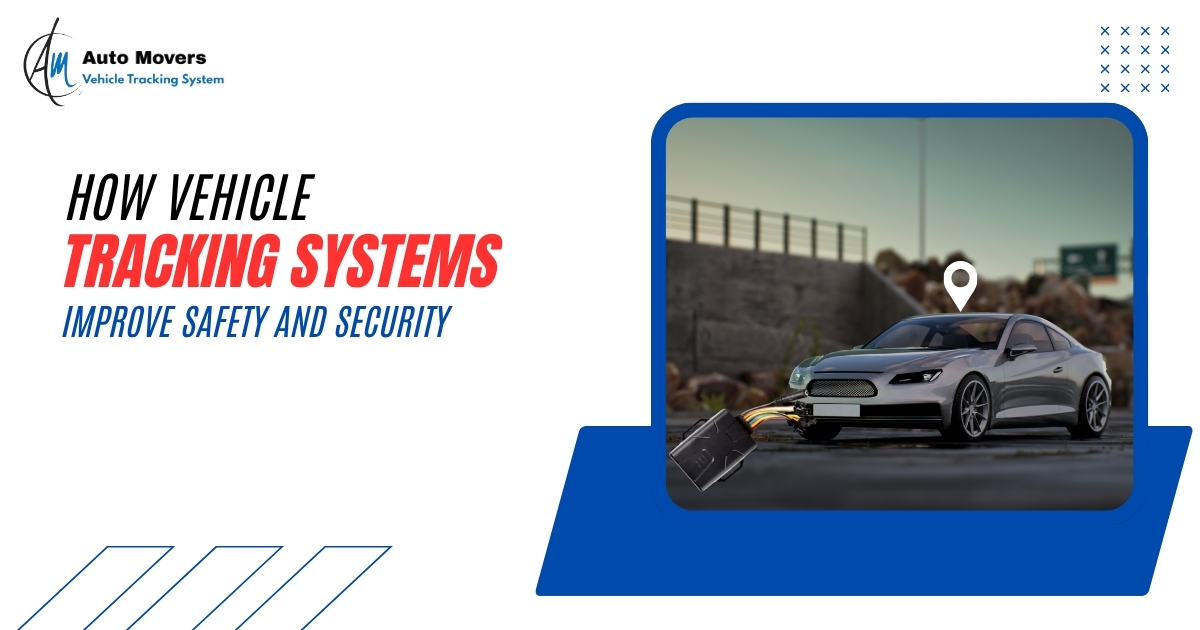
How Vehicle Tracking Systems Improve Safety and Security
I want to start with a story. A friend of mine runs a small plumbing business — three vans, two employees, and more spreadsheets than any human being should have to deal with. Last year, one of his vans was sitting idle two hours a day. He had no idea. His fuel bill was eating into his margins and he could not figure out why. Then he installed a basic vehicle tracking system.
That story, multiplied across millions of small businesses and families, is exactly why vehicle tracking is one of the fastest-growing technology categories right now.
So what actually is a vehicle tracking system?
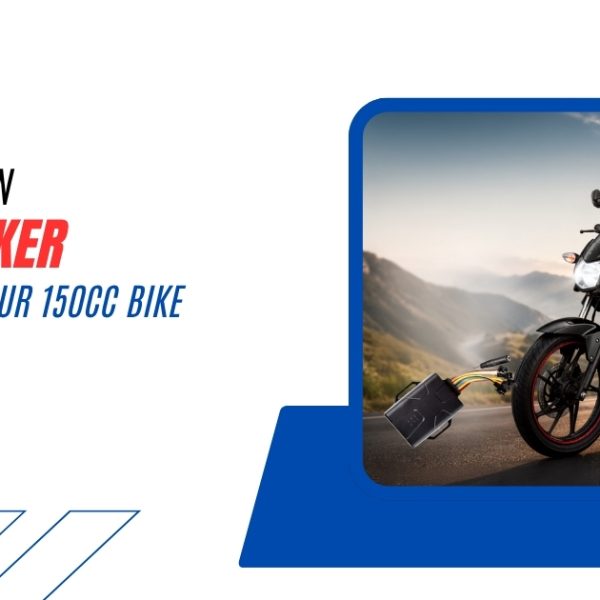
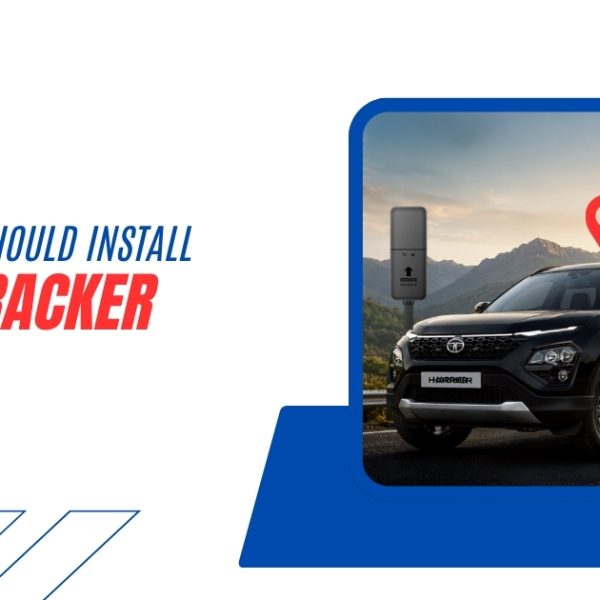
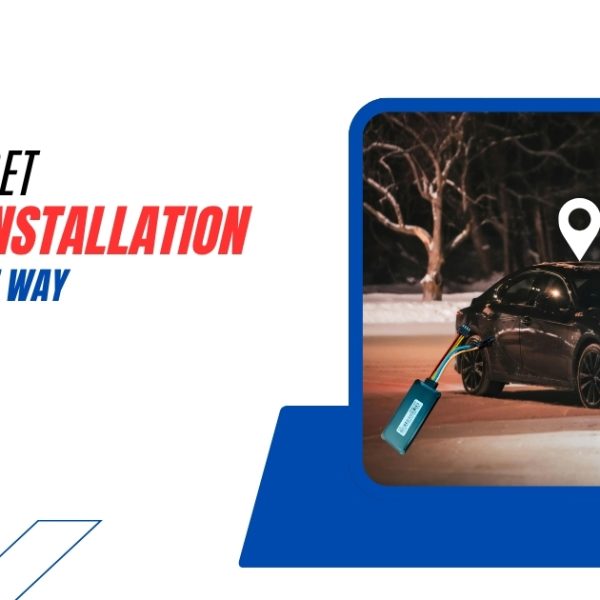
Strip away the jargon and it is straightforward. A small GPS device sits in your vehicle — often plugged into the OBD-II port under the dashboard — and sends location, speed, and engine data to an app on your phone or a browser dashboard. You see where the vehicle is right now, where it has been, and how it is being driven.
Modern systems go further. Geofencing lets you draw a boundary on a map and get an alert when a vehicle crosses it. Driver behaviour reports flag harsh braking or speeding. Some newer platforms use AI dashcams that detect distraction or fatigue in real time — before something goes wrong, not after.
Why it is trending so hard right now
Three things collided at once. First, hardware got cheap. A quality tracker that cost hundreds two years ago now costs tens of dollars. Second, the rise of e-commerce put enormous pressure on delivery businesses to prove where their drivers were and when. Third — and this is the one people do not talk about enough — car theft is up significantly in many cities, and consumers are turning to live location trackers as a personal safety layer, not just a business tool.
Search interest for “vehicle location tracker” peaked at near-record highs in late 2025 and early 2026 — driven not just by fleet managers but by everyday car owners worried about theft.
Who is actually using it?
The answer might surprise you. Yes, logistics companies and fleet managers are the core market. But growth is coming from unexpected places: parents tracking teenagers who just got their licence, small tradespeople keeping tabs on one or two work vans, and rental car companies monitoring their fleets in real time. Insurance companies are quietly building telematics into policies drive carefully, pay less. That alone is pulling millions of new users into the ecosystem.
What should you look for in a system?
For personal use, the key questions are update frequency, battery life (for wireless units), and whether the app works well on your phone. For business, prioritise integration does the tracker connect with your scheduling software, your invoicing, your route planner? A data island is not helpful; you want information that flows into the decisions you are already making.
Also worth checking: data storage and history length. Some budget platforms only keep 30 days of trip history. If you ever need to resolve a dispute a customer claiming a delivery never arrived, an employee contesting a disciplinary decision — older data matters.
Vehicle tracking used to feel like surveillance. Now it feels like sense. The cost is low, the setup is simple, and the upside whether you are protecting a single car or managing a fleet of fifty is very real. If you have not looked at it recently, the options have improved dramatically. My friend with the plumbing vans says it is the best twenty pounds a month he spends on his business. Hard to argue with that.