


GPS Tracker for Electric vehicle – Features, Benefits & Buying Guide
Nobody warns you about this bit when you’re test-driving your first EV. You’re too busy being impressed by the silence and the instant torque to think about the fact that you’ve just bought something thieves genuinely covet. Batteries are expensive, wiring looms are expensive, even the badges get nicked off some models. So it’s really no surprise that a GPS tracker for electric car owners has stopped being a weird niche purchase and turned into something most people just… get, almost as a matter of course now.
Whether you’ve had your EV for two years or two weeks, if you’ve ever glanced out the window at night just to check it’s still there , this one’s for you. Let’s get into what these trackers do, why they’re worth the money, and what separates a decent one from a waste.
What’s Actually Going On Under the Bonnet
At the most basic level, you’re looking at a small device that talks to satellites and tells an app on your phone exactly where your car sits, right now. Simple enough. But the good ones don’t stop there. Geofencing tends to be the feature people rave about most , draw a virtual line around your house, your workplace, wherever, and the instant your car crosses it, you get a notification. No boundary crossed, no drama. Boundary crossed at an hour it really shouldn’t be? Now you know something’s wrong before you’ve even noticed the car’s gone.
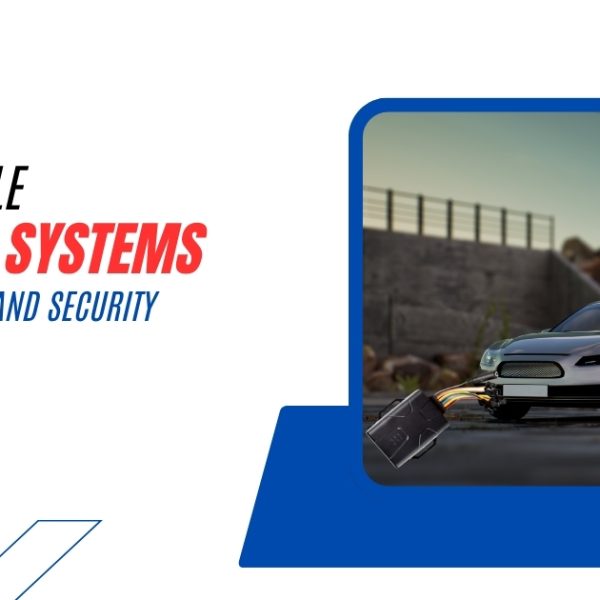
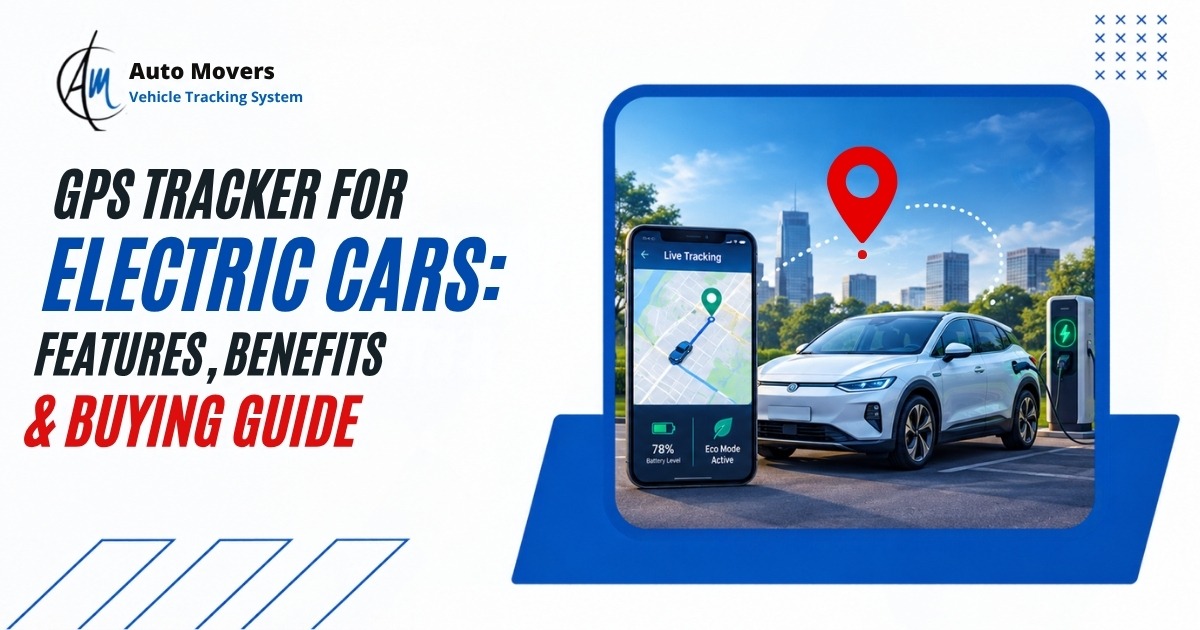
Where it gets more interesting for EV owners specifically is the depth of information on offer. A properly built Electric Car GPS Tracking System doesn’t just bolt a generic tracker onto your dashboard — it actually talks to the car’s own systems. So you’re not just getting location, you’re getting battery percentage, a rough idea of remaining range, and often a flag if someone’s messing about with the charge port when they shouldn’t be. Ask a petrol car tracker to do any of that and you’ll just get a blank stare, metaphorically speaking.
Fair Enough, But Do I Actually Need One?
The honest answer is probably yes, and here’s why.
Theft recovery is the obvious one. Nobody’s pretending a tracker stops a break-in , if someone’s determined and has the right tools, they’re getting in regardless. What a tracker does is buy you time and information, which massively improves the odds the car’s found intact rather than stripped for parts within the day.
There’s also a decent chance it’ll shave a bit off your car insurance. A lot of insurers offer discounts for approved trackers, particularly ones carrying certification. Makes sense from their side , less risk for them means a bit less cost for you.
If there’s a newly qualified driver in your household, this one’s worth mentioning too. Handing your seventeen-year-old the keys is nerve-wracking enough without adding “no idea where they actually are” into the mix. A tracker lets you keep a loose eye on things without being the parent who calls every twenty minutes.
For businesses, it’s less about peace of mind and more about basic operations. If you’re running a fleet of electric vans, a proper GPS tracker for electric car setup across the whole fleet becomes essential fairly quickly ,it’s how routes get planned sensibly, how charging schedules avoid turning into chaos, and how you spot vehicles sat idle when they should be earning their keep.
And then there’s the quieter benefit: battery health. EV batteries degrade over time, and charging habits play a bigger role in that than most people realise. Some tracking systems log charging patterns in the background, which can be genuinely useful if you’re trying to squeeze a few extra years out of the pack.
What Actually Matters When You’re Buying One
A lot of trackers on the market look similar on paper but differ wildly in practice. A few things worth checking before you hand over any money:
Check whether it has its own backup power. If the whole thing dies the moment someone disconnects the car’s main battery, it’s not doing its job when it matters most.
Look closely at update frequency. Some of the cheaper units only refresh every few minutes, which is fine for idle curiosity but not much good in an actual emergency.
The app matters more than people expect. You’ll be opening it regularly, so if it’s slow, confusing, or covered in ads, that gets old fast.
Subscription costs catch people out. Most trackers need a SIM and a data plan to function, so there’s a monthly cost sitting behind that upfront price tag , worth factoring in before you commit.
And lastly, make sure it’s actually built for EVs rather than just fitted to one. Plenty of trackers are generic units with no real integration into your car’s systems, which means you lose out on all the useful electric-specific data.
Picking the Right One
There’s genuinely no single best answer here , it depends entirely on what you’re trying to solve.
Mostly worried about theft?
Go covert, self-powered, strong on geofencing.
Managing a small fleet?
Prioritise proper dashboards and the ability to handle multiple vehicles without it becoming a full-time job.
Either way, do a bit of digging before you buy. Read reviews from real owners rather than trusting the sales copy, check there’s actual support if things go wrong, and confirm compatibility with your exact model , not just “EVs” as a broad category.
An Electric Car GPS Tracking System isn’t really about paranoia. It’s just sensible protection for something that, let’s be honest, probably cost more than most people’s first car ever did. Parked outside overnight, left at a motorway services halfway through a long drive, sat in a car park you don’t fully trust , a bit of extra reassurance rarely goes to waste.