
How to Monitor Commercial Cars Remotely with a GPS Tracking Device
Picture this: you are at your desk halfway, through a cuppa, when a customer rings asking where customer delivery has gone. You haven’t a clue. You could ring the driver, but that means distracting them mid-job, and it doesn’t exactly make you look on top of things.
Here is the thing though: you do not have to play guessing games more.
With the right tracking technology you can see where every van, pickup or company car is in GPS tracker, for Commercial Car . You can also see how each vehicle is being driven and whether it is running on time from your phone or laptop.
Let us walk through how tracking technology works and how to make the most of tracking technology.
Why Keeping an Eye on Your Fleet Matters
Anyone who runs a fleet knows it’s a juggling act. Fuel prices creep up insurance bills rarely come down and customers want everything faster, than ever. When you can’t see whats going on little problems have a habit of turning into costly ones: journeys nobody approved engines left idling for ages missed appointments or worse a stolen vehicle.
Remote monitoring shows you everything as it happens. Remote monitoring lets you notice trouble before damage is finished so you can intervene early. Make smarter calls every day.
So, How Does a GPS Tracking Device Actually Work?
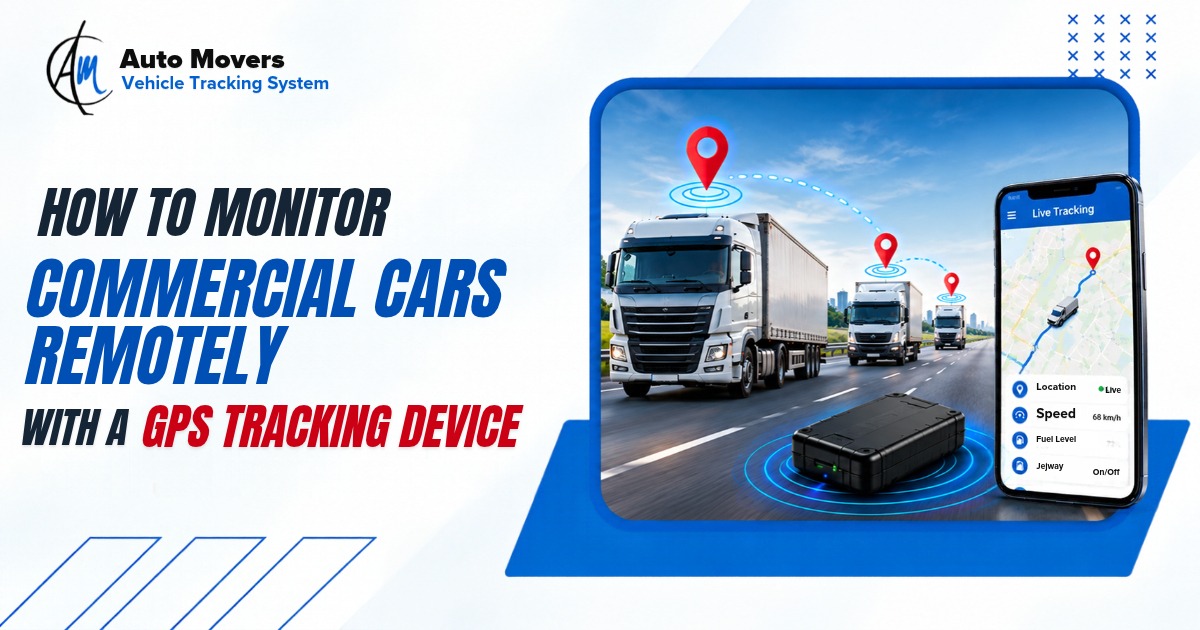
It is much simpler than you might think. I find a small device can go into a vehicle either plugged into the OBD port that diagnostic socket tucked under the dashboard in vehicles or it can be wired discreetly into the electrics. This device locks onto satellites to find where the vehicle is. Then the device sends that location to the network and the mobile network forwards that information to a secure online platform.
You simply log in on a web dashboard or app and there are your vehicles on a live map. Most systems update every seconds so you are seeing what is happening right now not what occurred ten minutes ago.
I think a GPS tracker for car does a lot more than show a dot on a map. I find that the GPS tracker, for car also logs speed, routes, stops, engine start and stop times and often harsh braking or sudden acceleration.
Getting Started: A Simple Five-Step Guide
1. Pick the device
Start by asking what you really need. If you have a team and just want to know where everyone is and where they’ve been a plug-and-play unit will do nicely. Bigger fleets might prefer trackers with extras, like driver identification, temperature sensors or fuel monitoring.
2. Make sure the device is fitted correctly
Plug‑in devices can be installed in a few minutes. Hardwired devices are better left to a professional so that the device stays hidden and works reliably. Whatever device you choose make sure the device can reach the sky and has a mobile signal.
3. Tidy up your dashboard
Give each vehicle a name, like the reg plate or the driver’s name. Sort them into groups by depot, area or type of job. It will save you a lot of time later.
4. Draw your geofences
Think of geofences as fences on the map, around your depot, customer sites or places where vehicles should not go. You will receive an alert whenever a vehicle crosses a geofence line. That alert helps you confirm arrivals or spot use outside of hours.
5. Turn on your alerts
Set notifications, for speeding, odd stops, long idling or movement when a vehicle should be parked. You will not need to watch the screen all day because the system will give a nudge whenever something needs your attention.
Turning the Data into Real Results
Tracking only works when you really use the information it gives you. This is where businesses usually see the changes. Companies often see improvement in these areas. Tracking matters if you take action based on what it reveals. These are the places where businesses typically see the results. This is where businesses usually find the impact.
Tracking only works when you use the data it gives you. This is where businesses often see the change. The areas where tracking makes a difference are the ones where companies get the most value. It is important to look at these areas. You will find that using the information from tracking can lead to results.
These are the places where businesses really notice the improvement. It is, about taking the data and making it work for you. The benefits come from understanding these areas and acting on them. That is where the real value of tracking shows up.
Smarter routes. Journey history shows you where time is slipping away. Maybe one road is a nightmare, at 8am or two vans keep covering the patch. Small changes soon add up.
Lower fuel costs. Idling and driving use up fuel. Once drivers know their habits are visible, most ease off without being asked.
1. Happier customers:
Instead of “he’ll be with you sometime this afternoon”, you can give a proper arrival time. And if a job overruns, you can send the nearest vehicle in seconds.
2. Safer driving:
Behaviour reports show who might appreciate a friendly chat or a bit of extra training. When done well this can mean accidents. Over time it can mean insurance premiums.
3. Better security:
If a vehicle disappears, live tracking gives the police a real chance of finding it fast. Plenty of insurers also like to see tracked vehicles.
Bringing Your Drivers Along with You
This is the part many businesses forget. Nobody likes to feel watched. So be upfront from day one. Explain that watching is about safety, efficiency and protecting the business not, about trying to catch anyone out.
There’s a legal side too. Under the GDPR you must have an lawful reason for tracking. You should let staff know what information you are collecting. It is an idea to have a written policy. If drivers are permitted to use vehicles for purposes look for a privacy mode that stops tracking during times outside of working hours. When you are open and honest, about this most teams quickly understand the benefits. These include workloads and solid proof of their hard work if a customer ever has a dispute.
What to Look for Before You Buy
Not every system is the same so look around. Here’s what you should check:
- Dependable live updates and accurate maps.
- An app and dashboard that are genuinely easy to use.
- Clear pricing with no nasty surprises in the contract.
- Reports that actually help, rather than pages of confusing numbers.
- Friendly, UK-based customer support.
- Room to grow as your fleet expands
When searching for a GPS tracker for Commercial Car that your fleet can trust ask for a free trial or a demo. Observing the GPS tracker for Commercial Car in action reveals far more, about its performance than any glossy brochure can convey.
Keeping track of your vehicles from a distance isn’t about watching your drivers. It’s about having the view needed to run a better, safer and more successful business. With a dependable GPS tracker, for Commercial Car owners can rely on you will save time reduce expenses and provide customers with the service they want.
If it feels like a big step don’t worry. Start with a few vehicles. Take your time to get used to the dashboard. Let things grow slowly. Before long you’ll wonder how you ever managed without it.